

Updated: 5 October 2026
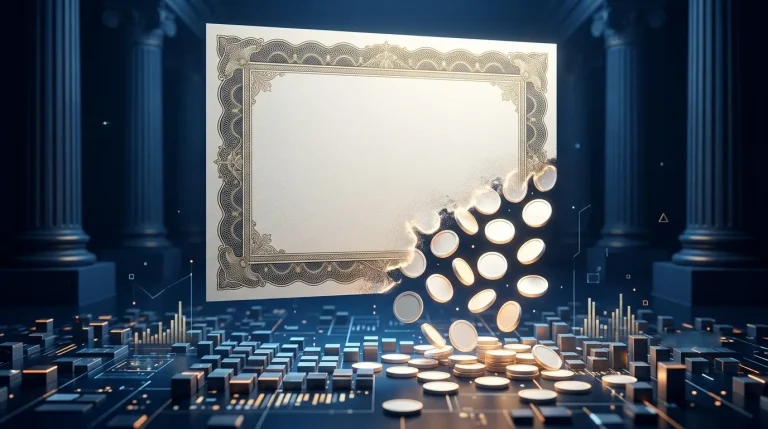
A rug pull is a crypto scam in which the people behind a token or project pull in buyers’ money and then take it, leaving holders with a coin that can’t be sold or is worth close to nothing. It is an exit scam: the team disappears with the funds instead of building what it promised. Most rug pulls involve new tokens on decentralised exchanges, where anyone can list a coin without review.
How does a rug pull work?
Most new tokens trade through a liquidity pool on a decentralised exchange (DEX) such as Uniswap. The creator pairs the new token with an established asset such as ETH or a stablecoin, and buyers swap into the token from that pool. Whoever adds the liquidity receives LP (liquidity provider) tokens, and on Uniswap-style exchanges burning those LP tokens returns the owner’s share of the pool. If the creator holds nearly all of them, one transaction is enough to withdraw the ETH or stablecoins that buyers paid in.
The pattern repeats: a launch, heavy promotion on social media and chat groups, a fast price rise as buyers pile in, then the exit. The website and social accounts often go offline within hours.
What are the main types of rug pull?
- Liquidity pull. The team removes the paired assets from the pool. The token still exists, but there is almost nothing left to swap it for, so its price collapses.
- Sell restrictions (honeypots). The token contract lets anyone buy but blocks or heavily taxes selling for everyone except the developers’ wallets. Holders watch the price rise and can’t cash out.
- Dumping. Insiders hold a large unlocked share of the supply and sell it into the demand they created. This is a pump and dump, and it can happen even when the liquidity stays in place.
- Hidden minting or admin powers. The contract lets the owner create new tokens or change fees at will, then sell the fresh supply.
Not every failed project is a rug pull. Small tokens lose value all the time. The difference is intent: a rug pull is planned, and the tools to carry it out are usually built in from day one.
How can you recognise a rug pull before it happens?
No single check proves a token is safe, but the same warning signs show up again and again (our wider list of crypto scam red flags covers other schemes too):
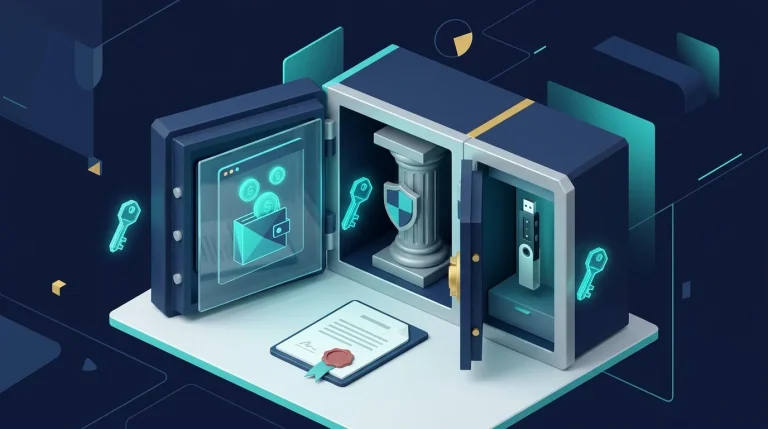
- Liquidity is not locked. If the LP tokens sit in the creator’s wallet rather than a time-locked contract, the pool can be emptied at any moment. A lock only protects you while it lasts, so check the unlock date too.
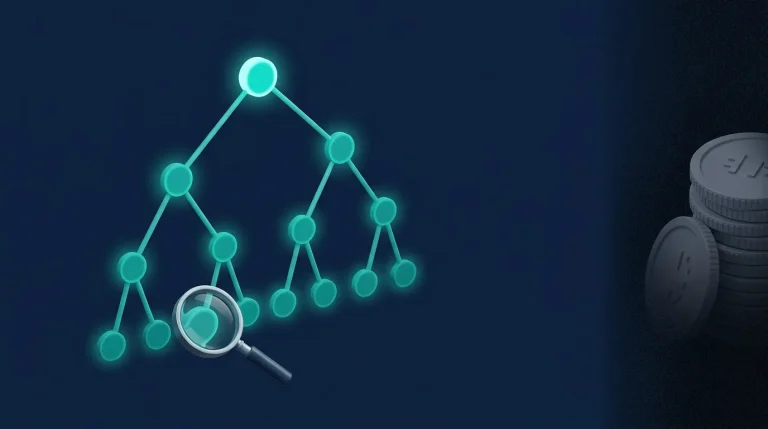
- A few wallets hold most of the supply. Block explorers list the top holders. If the team or a handful of unknown wallets control a large share, a dump is easy.
- The contract has not been checked. No published audit, unverified source code, or an owner who can still mint tokens, pause trading or raise sell fees are all red flags.
- The team is anonymous and has no track record. Pseudonymous builders are common in crypto, but combined with the points above it leaves buyers with no one to hold to account.
- Promises of guaranteed returns. The US Federal Trade Commission’s guidance on crypto scams is blunt: only scammers guarantee profits or big returns. Pressure to buy before a countdown ends is another classic sign.
- Hype without a product. Paid influencer posts and price talk, but no working app, public code or clear use.
One more test: find out whether anyone has actually sold. Honeypot tokens only reveal the sell block when you try, so look at the token’s recent transactions on a block explorer for successful sales by ordinary wallets before you buy.
What should you do if you were caught in one?
Stop sending money, including to anyone who contacts you offering to recover the funds for a fee. Recovery offers are a common follow-up scam. Move any remaining funds somewhere safe, following the basics of keeping your crypto safe. Write down the token contract address, the wallet addresses involved and your transaction hashes. In the US, the FTC lists where to report crypto fraud, including ReportFraud.ftc.gov and the FBI’s Internet Crime Complaint Center. Elsewhere, report to your national police fraud unit and to any exchange the stolen funds moved through, since exchanges can sometimes freeze accounts.