
In brief
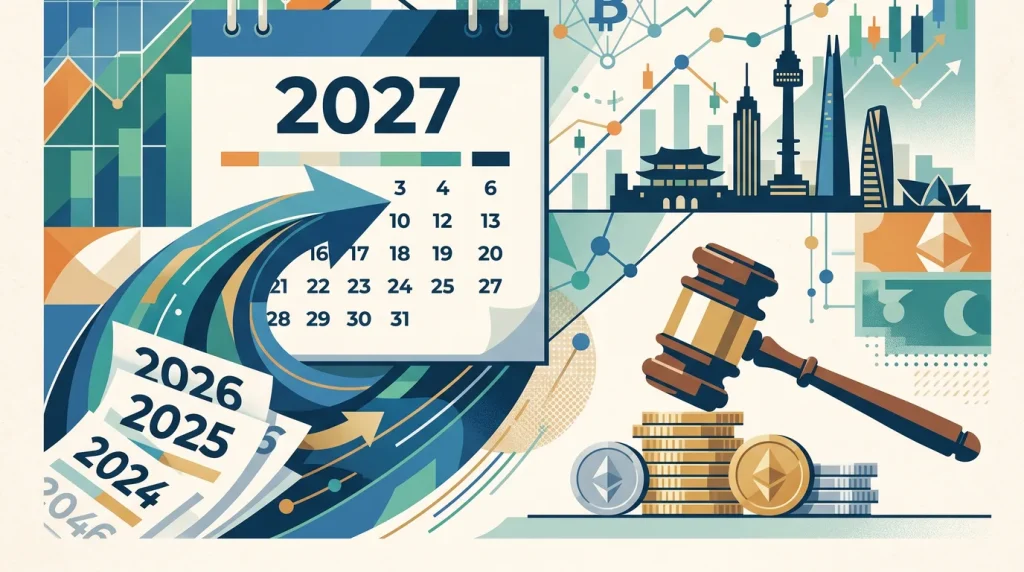
- South Korea’s 22% tax on crypto gains is due to start on Jan. 1, 2027, and the government says it will not delay it again.
- Lawmakers from both main parties now want a further delay, and one has filed a bill to push the start to 2030.
- Their main argument: without overseas trading data, only users of Korean exchanges would pay in full.
With about three months left before South Korea starts taxing crypto gains, lawmakers from both the ruling and opposition parties are pushing for a fourth delay. The government says the tax will start as planned on Jan. 1, 2027.
What is scheduled
Under current law, gains from selling or lending virtual assets are taxed as “other income”. The rate is 22% including local tax, on annual gains above 2.5 million won, according to crypto.news. The rules were passed in December 2020 and the start has been postponed three times since, ChosunBiz reports.
Who wants a delay, and why
On Sept. 23, People Power Party lawmaker Kim Jae-seop filed an amendment to the Income Tax Act that would move the start to Jan. 1, 2030. It would also require exchanges to give users the transaction records they need to work out their gains by the end of February each year. Kim argues the tax base and filing support must be in place first.
From the ruling Democratic Party, Min Byung-duk and Park Min-gyu have called for the tax to be suspended. Park wrote that it is premature before the Framework Act on Digital Assets is passed, and that rules for working out purchase prices are still unclear, Maeil Business reports.
Park’s main concern is overseas trading. Until the OECD’s Crypto-Asset Reporting Framework (CARF) is fully working between countries, tax officials can easily see trades on Korean exchanges but not those on foreign platforms. He warns that this could push users abroad and shrink the domestic market.
Independent lawmaker Han Dong-hoon has also called for a delay, and a public petition asking for two more years has passed the 50,000 signatures needed for parliamentary review.
What happens next
A delay needs the National Assembly to amend the Income Tax Act before Jan. 1. Crypto policy is busy in Seoul on other fronts too, from new market-making rules at the Financial Services Commission to the retail demand on show at Korea Blockchain Week.
Next to watch: whether the Assembly’s finance committee takes up Kim’s bill, and whether the finance ministry changes its position.