
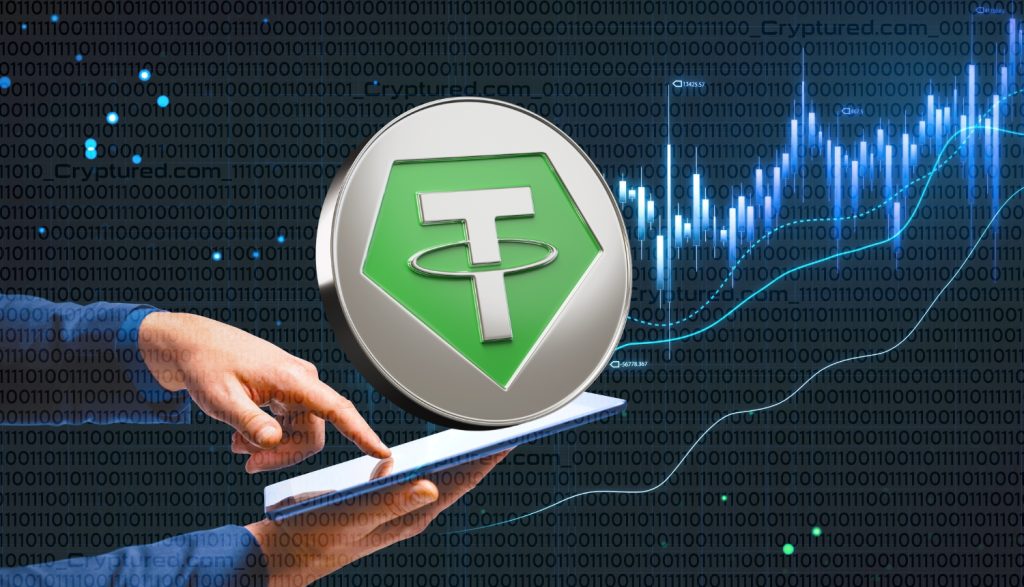
Tether Holdings, the company that issues stablecoin USDT, is thinking about lending to commodities trading companies; the investigation is “in early stages.”
It is unlikely that we will reveal the exact amount of money we plan to invest in commodity trading. The approach has not yet been finalized.
Opportunities are “massive in the future,” as Ardoino emphasized, and Tether is eager to investigate various options for commodity trading.
Although cryptocurrency’s place in the commodities trading market is still developing, it has the potential to completely transform it. More efficiency, security, and openness are offered by them.
In the financing of the commodities trade, major participants have access to vast credit networks, whereas small businesses frequently face difficulties in obtaining funding. Giant dealers such as Trafigura Group, for example, have access to a vast network of credit, with $77 billion in credit lines with over 150 banks.
Those with knowledge of the situation claim that Tether’s plan is to simplify and expedite exchanges and payments. This might avoid being subject to the same strict regulations as conventional lenders.
Tether Investigates New Areas
Tether stated that it possesses the necessary funds to take part. In 2024, the corporation announced a staggering $5.2 billion profit in the first half.
Additionally, the native stablecoin USDT has experienced incredible growth and continues to hold a leading position in the stablecoin market. The market valuation of USDT is getting close to $120 billion, which would be a new record high for the coin.
The stablecoin is becoming more popular for cross-border transactions in Venezuela and Russia. At least two major Russian metals manufacturers have reportedly resorted to using USDT to pay customer transactions, according to a Bloomberg story.
Following Russia’s invasion of Ukraine, the commodities trading business saw a downturn characterized by high price volatility. Despite creating pressure on the sector’s liquidity, it also produced record earnings.
The war also brought attention to the industry’s reliance on US dollars, which gave the US government the authority to apply sanctions. Unregulated funding techniques—like utilizing stablecoins in commerce transactions—rose as a result.
To leverage the growing trend and demand, Tether has assembled a group to explore trade financing options.