

Updated: 5 October 2026
Web3 is the idea of an internet where users can own their money, data and digital items directly, instead of holding them in accounts run by a single company. It is built on public blockchains, where shared software keeps the records and nobody needs to trust one gatekeeper. In practice, Web3 today means crypto wallets, tokens and apps that run on networks such as Bitcoin and Ethereum.
How is Web3 different from the web you use now?
A simple way to picture it is a playground. On today’s web, the playground belongs to a few large companies. You can play there, but they set the rules, keep the records of who owns what, and can close your account. In Web3, the rules are written into open code and the records sit on a blockchain that many computers keep in sync. You join with a wallet you control rather than a username the company issues.
The Ethereum Foundation’s introduction to Web3 sums up the history in three steps: Web 1.0 was read-only (static pages, roughly 1990 to 2004), Web 2.0 is read-write (social platforms where users create content but the platform owns it), and Web3 adds “own”. The term was coined by Ethereum co-founder Gavin Wood shortly after Ethereum launched in 2014.
What technology does Web3 run on?
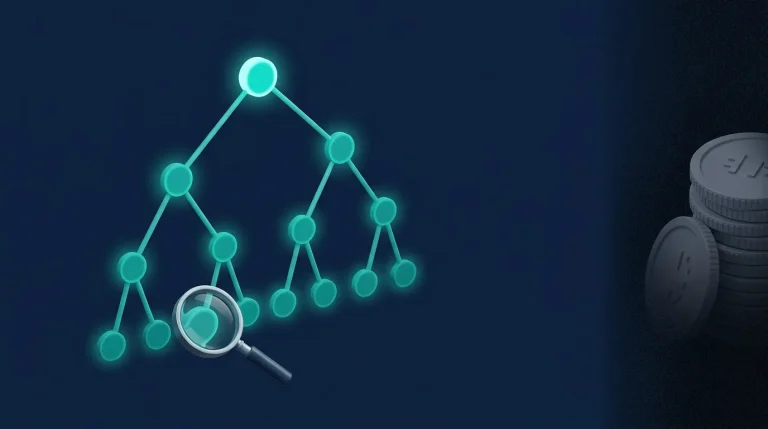
- Blockchains: public ledgers kept by many independent computers, so no single party can quietly change the record.
- Smart contracts: programs stored on a blockchain that run exactly as written, for example “release these tokens when that payment arrives”.
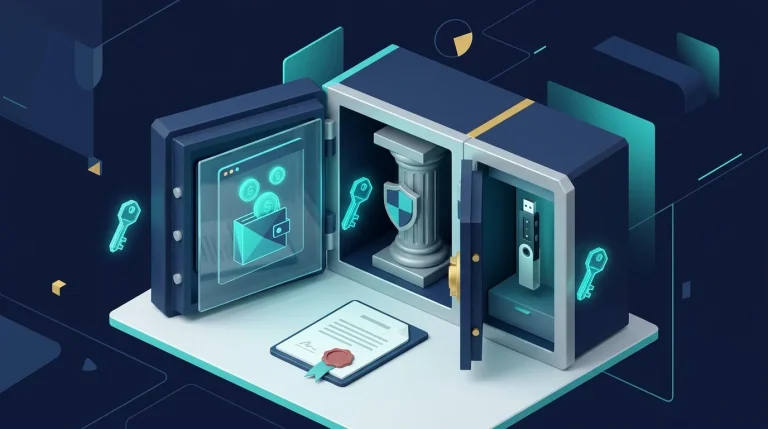
- Wallets: apps that hold the private keys proving you own an address. Lose the keys and nobody can reset them for you.
- Tokens: units of value or ownership created by smart contracts, from stablecoins to NFTs.
Real-life examples of Web3
- Cryptocurrencies. Bitcoin and Ether let people send value to anyone with an address, without a bank in the middle.
- Stablecoins. Tokens such as USDC and USDT track the US dollar, with supply minted and burned by the issuer, and are widely used for payments and trading between exchanges.
- Decentralised finance (DeFi). Apps like lending pools and decentralised exchanges let users lend, borrow and swap tokens through smart contracts instead of a broker.
- NFTs. Non-fungible tokens record ownership of a unique item, such as digital art, a game item or an event ticket.
- DAOs. Decentralised autonomous organisations hold a shared treasury and let token holders vote on how it is spent.
- Decentralised social media. Networks such as Farcaster tie your identity to keys you hold, so your account and followers are not locked to one app.
- Blockchain games. Some games issue in-game items as tokens that players can keep or trade outside the game.
What are the trade-offs?
Ownership comes with responsibility. If you lose your wallet keys or approve a malicious contract, there is usually no support desk to reverse it. Many apps still depend on centralised pieces, such as the exchanges where people buy their first crypto or the hosting behind an app’s website. Fees and speed vary by network, and rules on crypto differ from country to country.
So Web3 is less a finished product than a direction: some services already work this way, while others mix blockchain parts with ordinary web servers. A useful test for any project calling itself Web3 is to ask what you actually own and who could take it away.