
- The Zakura team targets January for post-quantum signature support on Zcash’s transparent side.
- Its engineering post does not announce a mainnet activation date.
- Private wallet lookups are intended to address a separate privacy leak, not hide transparent transactions on-chain.
The team behind Zakura, a Zcash full node, says it targets January for proposed post-quantum signature opcodes on Zcash’s transparent side. The target is not a confirmed network activation date or a completed upgrade, and the proposal concerns transparent spending, not shielded payments.
Zakura outlined the proposal in an Zakura engineering post reported by CoinDesk and Unchained on October 9. The proposed instructions would let the network check hash-based signatures, an alternative to approvals based on today’s elliptic-curve keys.
Hidden keys and private lookups solve different problems
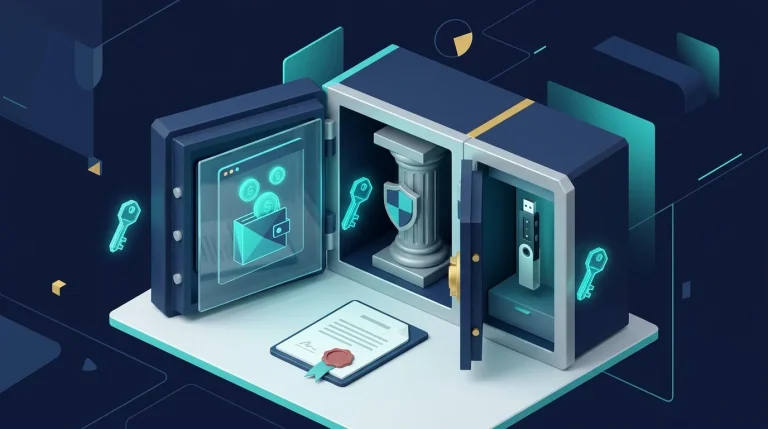
A standard t1 transparent address contains a hash of a public key. Spending reveals that key. Moving remaining funds to a fresh t1 address can reduce key exposure, provided the new public key has not been disclosed through other means, such as shared extended public-key or viewing-key information.
Zakura says this provides additional protection in a scenario where recovering a key becomes practical but the hashes remain secure. It is a conditional security argument, not evidence that such an attack is available today. The distinction builds on the role of keys explained in our guide to crypto custody.
There is another exposure: a wallet checking several addresses can tell its server that they belong to the same user. Encrypting the connection does not hide those requests from the server itself.
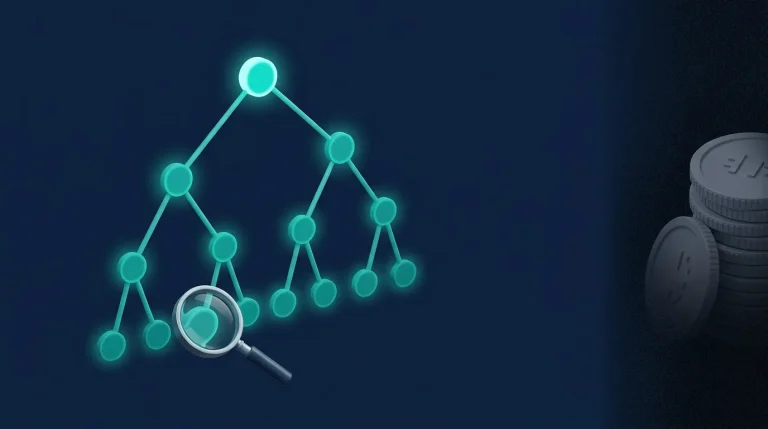
Zakura says its private information retrieval, or PIR, design is intended to let wallets retrieve records while hiding their selected records from the server. The wallet downloads compact activity filters, checks them locally and makes private lookups for possible matches. The design also covers rebuilding transparent transaction history after restoring a wallet.
What remains experimental or planned
The engineering post says an experimental PIR deployment can be tested through Vizor’s “Private queries” setting. The experimental feature is intended to protect lookup privacy; it does not conceal transparent transactions on-chain or establish quantum resistance. Transparent transfers remain public, unlike transaction-shielding systems such as the separate zk.money private wallet.
The team also describes combining a hash-based signature scheme called WOTS with an elliptic-curve key, but says there is no integrated user flow for that approach. Its January target concerns hash-based signatures for transparent pools, not a completed upgrade covering shielded payments.
The next milestone to verify is a released implementation and an explicit activation schedule, rather than treating the team’s target month as a network commitment.